
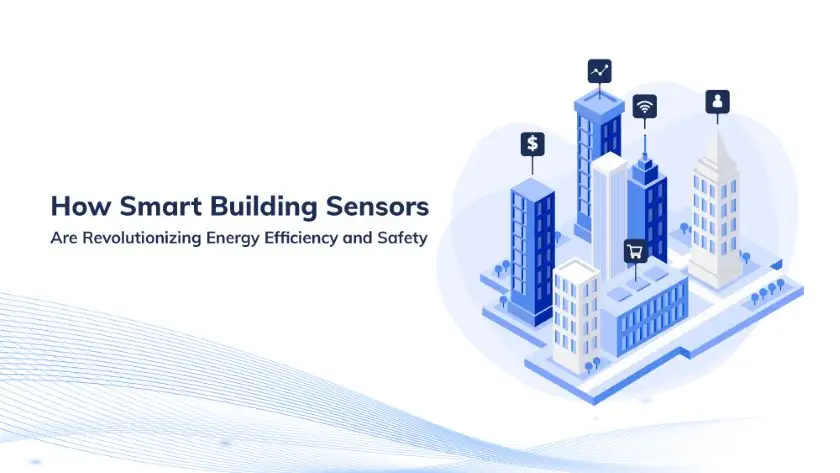
Smart spaces, or smart buildings, used to appear frequently in fiction movies, acting like they are alive and can engage and interact with people. But now, they are becoming reality, reshaping how we live, work, and interact with our surroundings. At the heart of Building Management Systems (BMS) are smart IoT sensors, which collect data from the environment so the central hub can make data-based decisions. Smart building sensors turn ordinary spaces into responsive, efficient systems in office buildings, hospitals, campuses, or warehouses. In this blog, we will explain what smart building IoT sensors are, how they benefit users, and how they can be used. Let’s dive in.
What are Smart Building Sensors
Smart building IoT sensors are devices designed to collect real-time data on a building’s environmental factors, such as temperature, humidity, air quality, and occupancy levels. When integrated with management platforms, these sensors enable the central building management system to automatically adjust HVAC operations, lighting controls, and other systems based on the collected data. This automation allows smart buildings to maintain efficient operations with minimal human intervention.
Benefits of Smart Building Sensors
Sensor data brings actionable insights and actual benefits:
Easy to install and maintain: Most IoT sensors are easy to install thanks to their battery-powered features and compact size. Designed with plug-and-play setups, these sensors can be easily configured with intuitive Apps, enhancing use experience. Some smart building IoT sensors are optimized for a 10-year service life, minimizing maintenance and downtime.
Energy Efficiency: Smart building sensors optimize the use of HVAC, lighting, and other systems based on real-time data. For example, the building management system can automatically adjust lights and air conditioners when rooms are detected as empty. Energy sensors detect machine or euipment power usage to reduce unexpected energy consumption.
Cost Savings: Reduced energy consumption and sensor-powered predictive maintenance bring lower utility costs and operational expenses.
Increase Productivity: Automated workflows (e.g., booking unused meeting rooms via occupancy data) free up time for strategic tasks.
Safety and Security: Smoke sensors, water leak detectors, and motion-triggered alerts prevent disasters before they escalate.
Enhanced User Experience: Personalized lighting, air quality controls, and real-time space availability improve comfort for occupants and office workers.
What are Types of Smart Building Sensors?
IoT sensors vary in technology and function. From monitoring their surroundings to enhancing security, smart IoT sensors perform specific tasks within a building system. Here are some common sensors:
Temperature and Humidity Sensor
Temperature and humidity sensors deliver precise environmental monitoring, serving as critical components in smart building systems. In smart buildings, these sensing devices help achieve automated microclimate control by communicating with HVAC systems to maintain occupant comfort while optimizing energy use. For example, during peak hours, sensors can trigger localized cooling in high-traffic zones while reducing output in unoccupied areas, achieving both comfort and efficiency. By doing so, occupant comfort and operational efficiency are both optimized. Deployed in agricultural greenhouses, farmers can leverage real-time humidity tracking to safeguard delicate crops. Automatic misting systems activate when moisture levels drop below optimal ranges. In pharmaceutical storage facilities, temperature sensors ensure strict compliance with preservation standards.

Water leak sensor
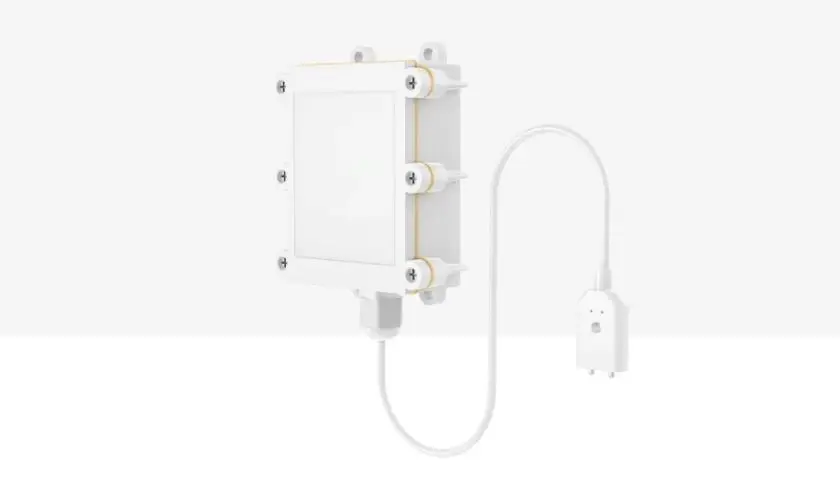
Water leak sensors serve as safeguards in smart buildings. They can identify moisture intrusions across complex architecture—from concealed pipe junctions to data centers. Water leak sensors overcome the limitations of manual checks in complicated HVAC systems and plumbing infrastructures, instantly alerting facility managers to unexpected leaks.
Beyond immediate damage prevention, the technology promotes resource conservation by preventing water waste. As smart infrastructure evolves, these sensors become foundational elements of sustainable building ecosystems, blending asset protection with environmental responsibility.
Air quality sensor
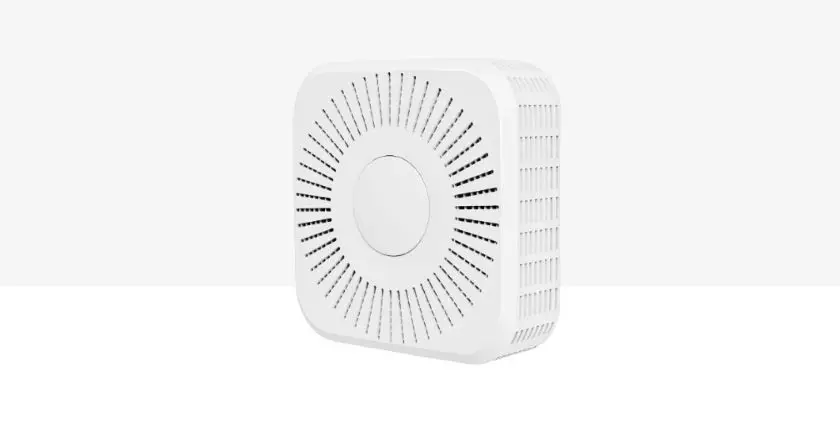
Beyond basic CO₂ monitoring, air quality sensors track invisible threats like ultrafine particulates, formaldehyde, and volatile organic compounds (VOCs). They enable dynamic ventilation adjustments through IoT integration. In offices, this technology creates an optimal environment that enhances comfort and focus.
Energy Sensor
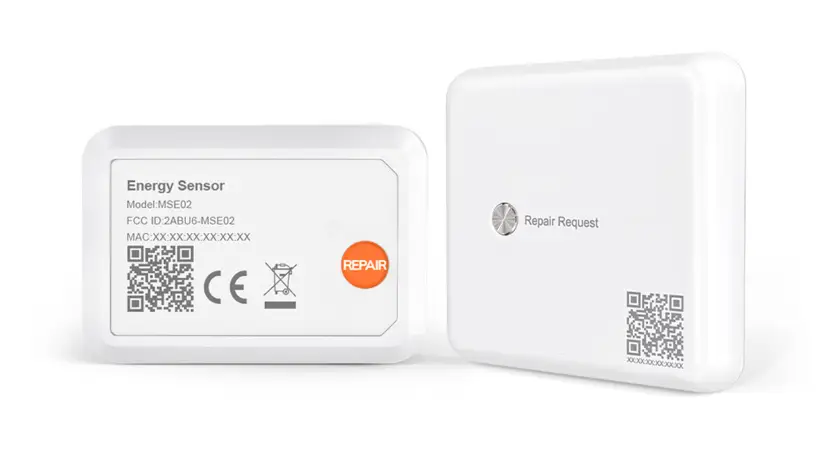
Energy sensors track real-time power usage across systems like HVAC, lighting, appliances, and euipments. They help slash utility bills and carbon footprints by detecting energy leaks or spotting inefficient equipment. They can even predict maintenance needs—like a struggling HVAC motor guzzling extra power. With granular data dashboards, facility managers can make smarter upgrades, hit sustainability goals, and keep occupants comfy without wasting juice.
Proximity sensor
Proximity sensors (i.e., occupancy detectors) enable personalized experiences by triggering room-specific actions when users approach, such as adjusting lighting preferences for employees entering workspaces. Occupancy sensors optimize energy use by dimming lights in vacant conference rooms or activating air circulation only when zones are populated.
Motion sensor
Take smart offices as an example: these motion-detecting devices streamline operations by activating lights upon entry, regulating HVAC systems based on room usage, or securing areas by alerting security teams to unexpected movement. They are typically ceiling-mounted, ensuring wide coverage and accurate tracking for space utilization.

Light sensor
Light sensors dynamically balance natural and artificial light by monitoring ambient brightness, ensuring spaces stay comfortably lit without energy waste. In smart buildings, they fine-tune office lighting near windows to offset glare or cloudy skies, maintaining focus-friendly environments. Emerging in smart libraries, these sensors softly brighten reading nooks as daylight dims, preventing eye strain during evening study sessions. They also elevate hospitality settings, subtly adjusting lobby lighting intensity to complement sunset hues for relaxed arrivals. By syncing indoor lighting with outdoor conditions, sensors slash energy bills while fostering healthier circadian rhythms.
Smoke sensor
Modern smoke detectors work by analyzing light scattering patterns caused by smoke particles, transforming subtle changes into instant alerts. Integrated into smart buildings, these devices connect to centralized safety networks that trigger sprinklers, unlock emergency exits, and shut down HVAC systems to contain fire risks.
Beyond standard alarms, advanced models map smoke density gradients, helping firefighters pinpoint ignition sources faster. In office towers, detectors coordinate with elevator controls to guide occupants to the safest evacuation routes during emergencies. Residential smart systems pair them with voice assistants to deliver room-specific escape instructions. Their precision prevents false alarms from steam or cooking fumes while maintaining 24/7 vigilance against actual threats—a critical layer in intelligent building safety ecosystems.
Industries That Benefit from Smart Building Sensors
Schools
IoT sensors help create safer, adaptive learning environments. Temperature/humidity sensors maintain optimal classroom climates by automatically adjusting HVAC systems to prevent drowsiness during lectures. Administrators can repurpose underused areas into study hubs or optimize cleaning schedules by tracking space usage with occupancy sensors. Motion-activated lights in restrooms reduce touchpoints and energy waste, while air quality monitors ensure adequate ventilation during packed exams by triggering air purifiers. Smoke detectors integrated with emergency systems provide precise evacuation guidance, crucial for multi-story campuses.
Office
Smart sensors streamline workspace efficiency and employee comfort. Desk occupancy sensors enable dynamic room booking systems, freeing up unused meeting areas. Proximity sensors personalize environments—dimming lights or adjusting desk heights as employees approach. Light sensors blend natural and artificial illumination near windows to reduce glare, sustaining productivity. Temperature sensors create zone-specific climates, avoiding blanket HVAC settings. Air quality detectors automatically boost ventilation when CO₂ levels rise, preventing afternoon slumps. Water leak sensors under office kitchens or server rooms mitigate damage risks discreetly.
Storage & Warehousing
IoT sensors protect assets and automate logistics. Temperature/humidity monitors in cold storage ensure perishables like pharmaceuticals stay within compliance thresholds. Water leak detectors along warehouse roofs or near sprinkler systems prevent inventory damage from unnoticed moisture. Motion sensors enhance security by flagging unauthorized after-hours activity, while occupancy data optimizes shelf space allocation. Smoke sensors paired with suppression systems contain fire risks in high-rack zones, critical for flammable goods. Light sensors in rarely accessed aisles activate only during movement, cutting energy costs.
Gesundheitspflege
Precision and hygiene define sensor use in smart healthcare. Temperature sensors maintain sterile zones (e.g., operating rooms) and vaccine storage, alerting staff to deviations instantly. Air quality monitors in ICUs filter pathogens, reducing infection risks. Occupancy sensors manage patient room turnover, coordinating cleaning crews via real-time vacancy alerts. Proximity sensors enable touchless faucets and sanitizer dispensers in high-traffic areas. Water leak detectors under MRI machines or lab equipment prevent costly downtime. Smoke sensors in medicine storage rooms trigger localized alarms without disrupting patient areas, ensuring swift, targeted responses.
Smart Building Sensors from Minew
With decades of R&D experience, Minew excels in smart IoT hardware solutions, especially IoT sensors. We provide sensors for diverse applications, including temperature, humidity, air quality, motion detection (PIR), water leakage, mmWave radar, energy consumption, accelerometers, ambient light monitoring, and more. Beyond IoT sensors, our product lineup covers smart location badges, asset tracking tags and labels, gateways, and repeaters, utilizing BLE, LoRaWAN, AoA/AoD, UWB, RFID, GPS, NB-IoT, and more technologies. With over 200 patents and certifications, Minew is a top reliable partner.
Smart Building Sensors FAQs
Which sensor is commonly used in smart buildings?
Temperature and humidity sensors are the most common types of sensors, helping to create optimal working or living environments. Motion and occupancy sensors are also widely adopted for energy savings and space optimization.
What are the IoT devices used in smart buildings?
Beyond sensors, IoT ecosystems include smart personnel location badges for attendance checking and staff management, asset tags for efficient asset management within organizations, and gateways to upload data to central cloud servers.
 Jetzt chatten