Mobilfunknetze
—Bleiben Sie jederzeit und überall in Verbindung.


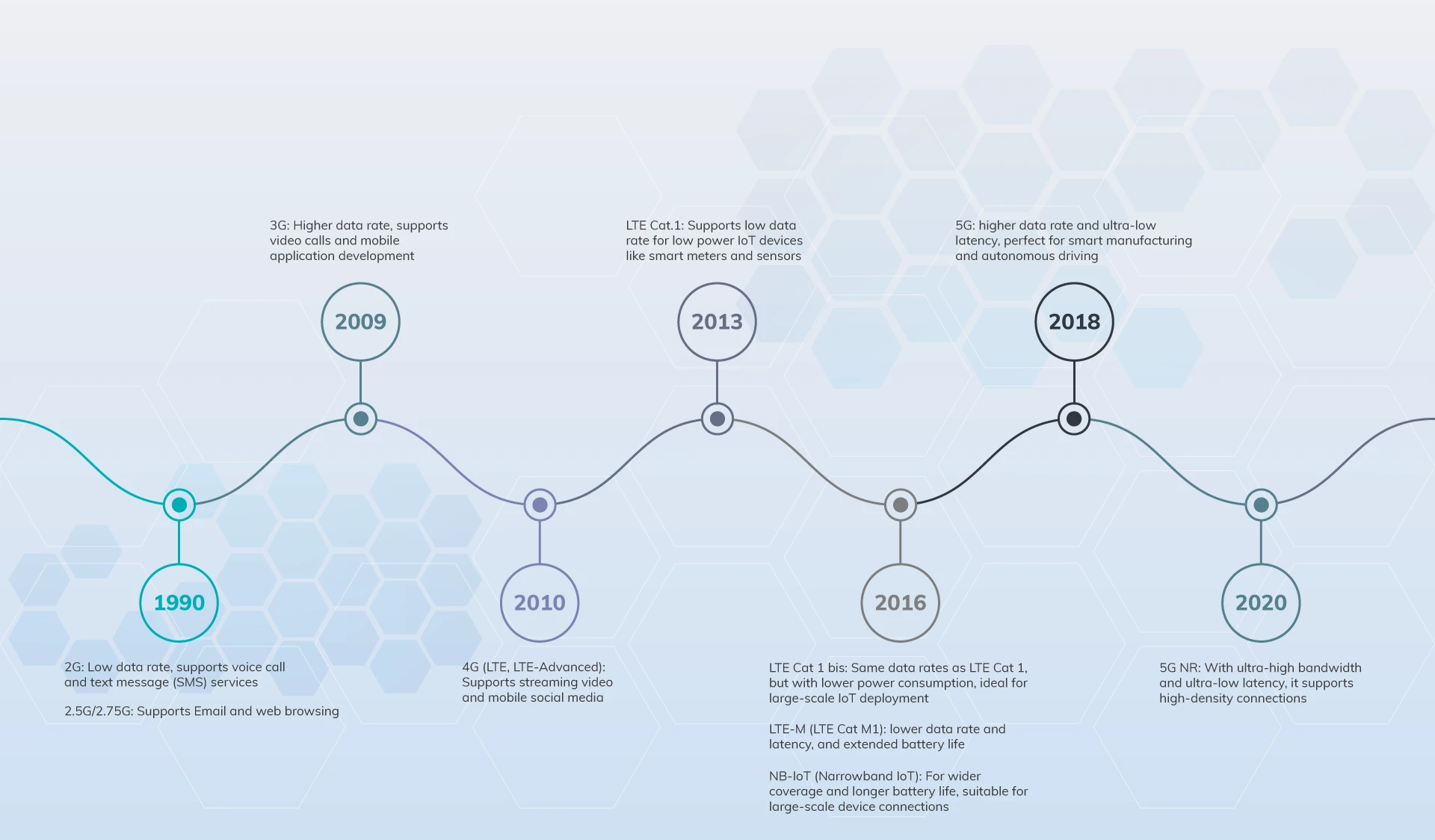
| LTE Cat.1 | LTE-M | NB-IoT | 5G mMTC | |
| Bandbreite | 1 Mbit/s | 1 Mbit/s | 10-250 kbps | Bis zu 1 Mbit/s |
| Stromverbrauch | Höher | Untere | Extrem niedrig | Extrem niedrig |
| Abdeckung | Weitreichende Abdeckung | Weitreichende Abdeckung | Tief drinnen/unterirdisch | Flächendeckende 5G-Abdeckung |
| Mobilitätsunterstützung | ✔ | ✔ | ✖ | ✔ |
| Latenz | 50-100 ms | 50-100 ms | >1s | Millisekunden-Ebene |
| Anwendungsfälle | Intelligente Städte, industrielles IoT | Wearables, Asset-Tracking | Intelligente Zähler, Umweltüberwachung | Großflächige Netzwerke, autonomes Fahren, AR/VR |
| Kosten | Medium | Niedrig | Extrem niedrig | Hoch |
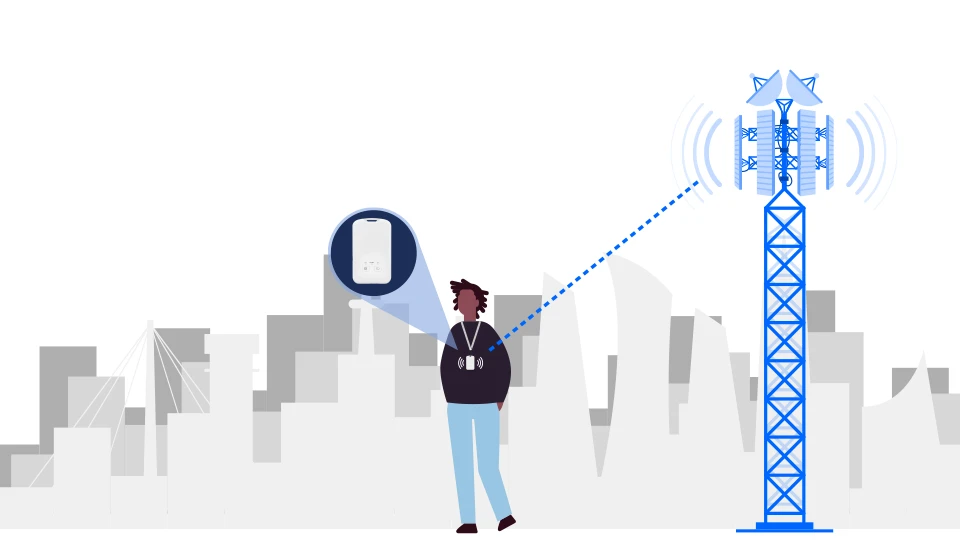
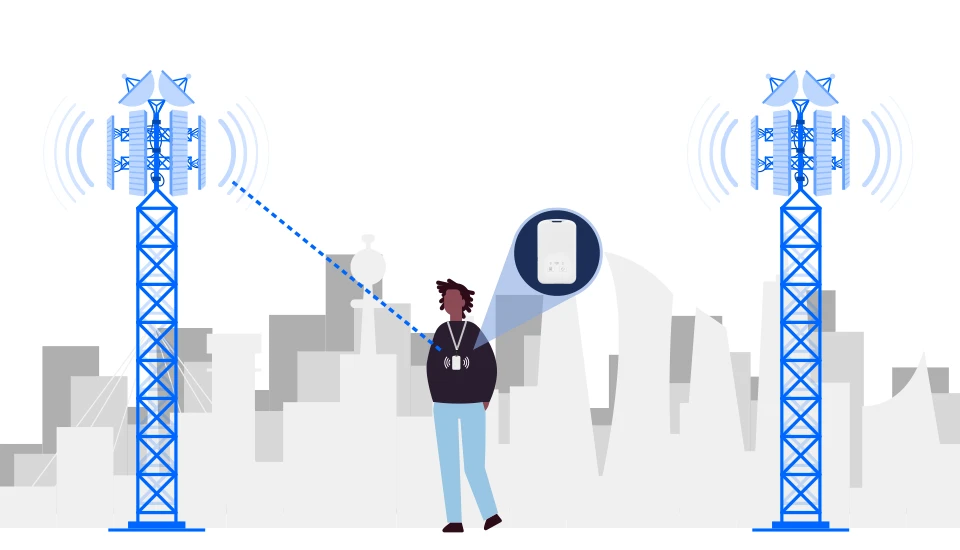
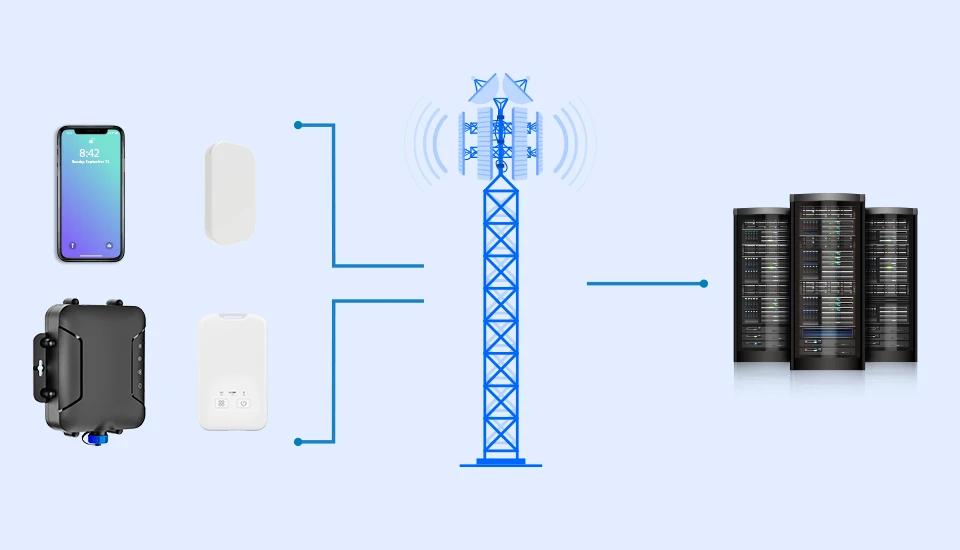
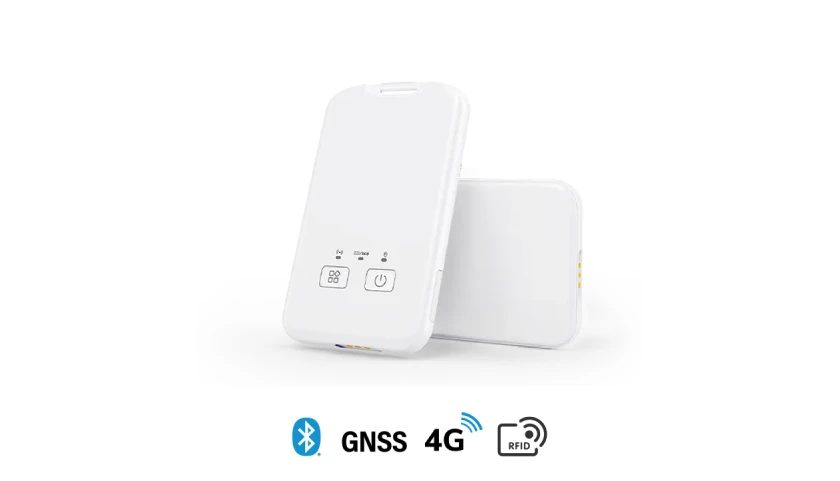
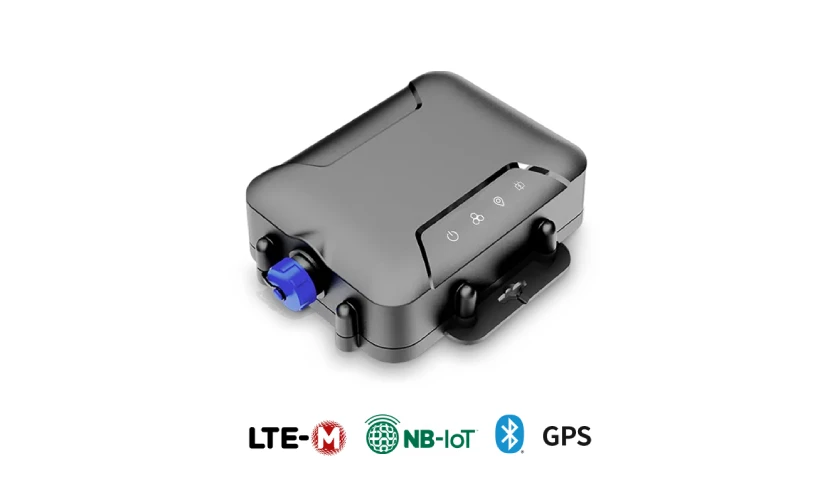
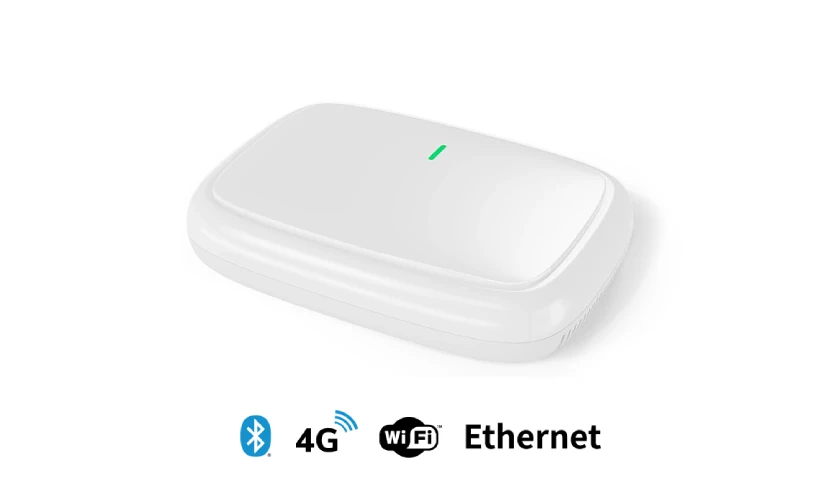
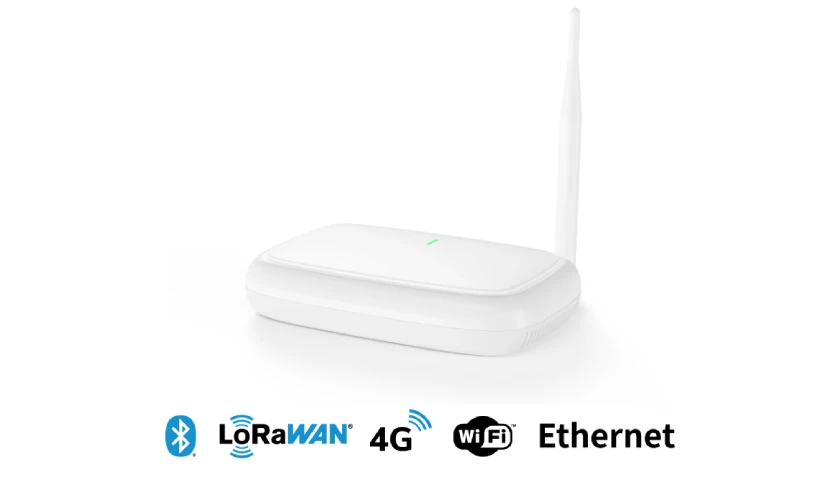
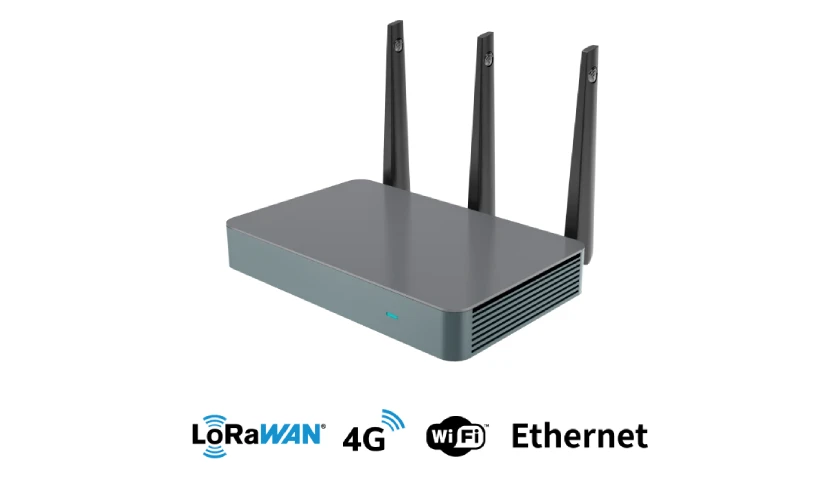



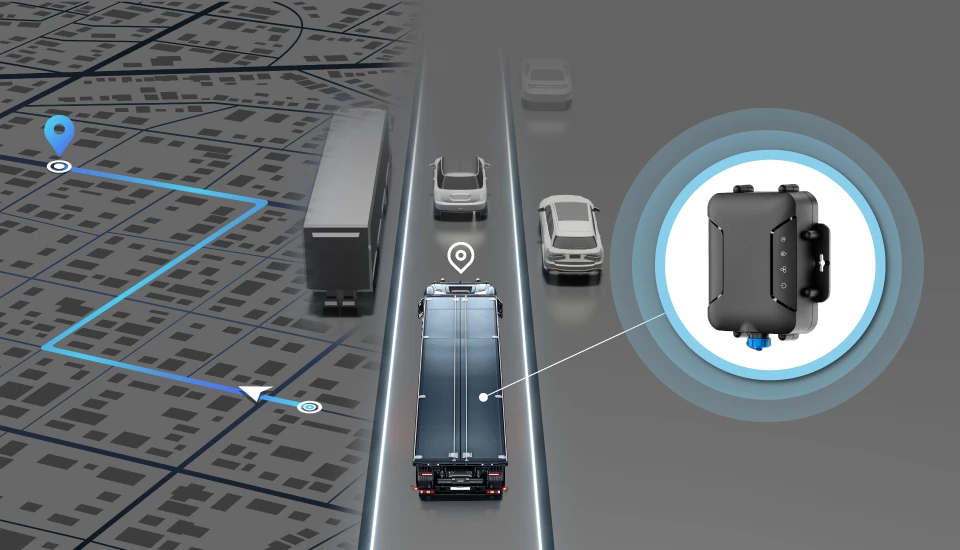
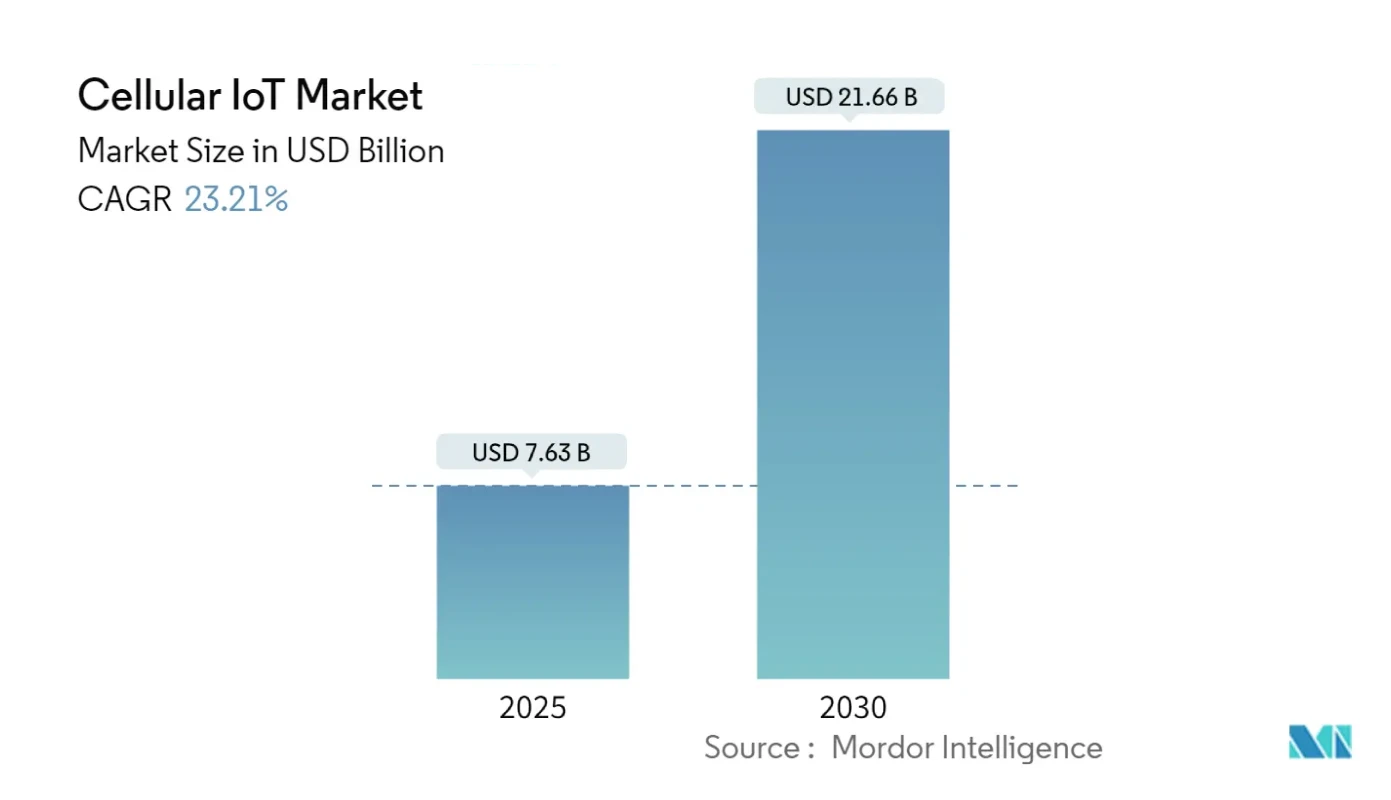
Cellular IoT bietet eine bessere Abdeckung, Mobilität und Zuverlässigkeit für großflächige Installationen, während Wi-Fi besser für Anwendungen mit kurzer Reichweite und hoher Bandbreite geeignet ist.
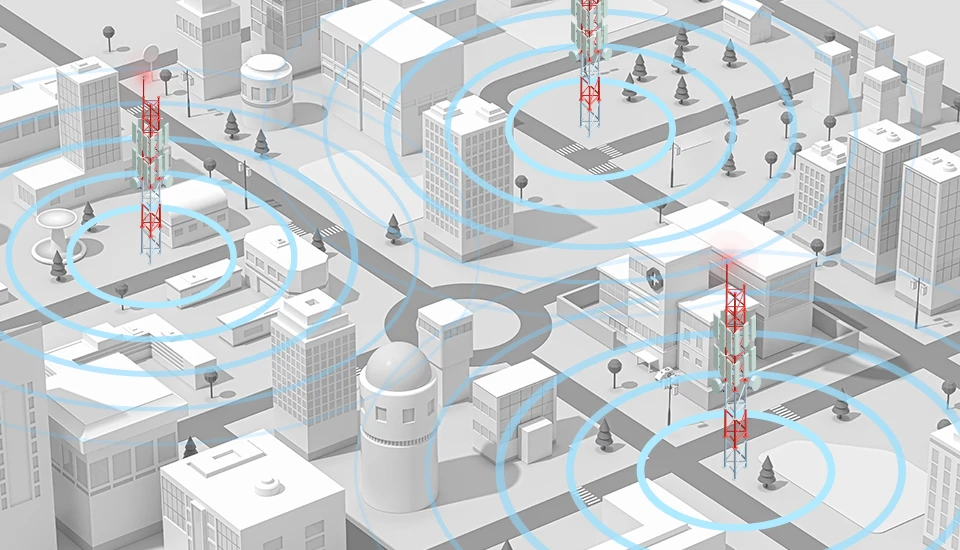
Mit Cellular IoT lassen sich Entfernungen von Kilometern überbrücken, wobei NB-IoT in städtischen Gebieten bis zu 10-15 km und in ländlichen Gebieten sogar noch größere Entfernungen erreicht.
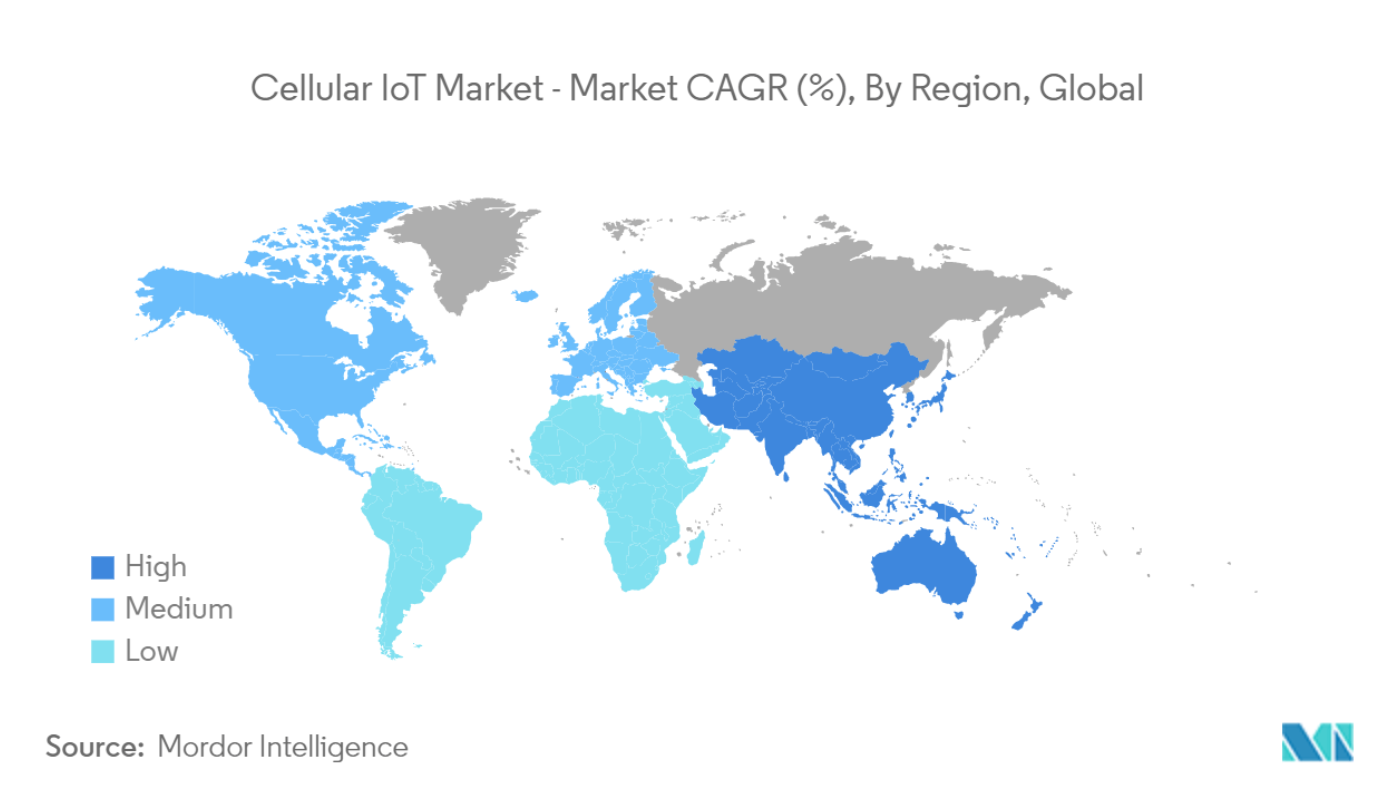
Zu den wichtigsten Standards gehören LTE-M, NB-IoT und 5G IoT, die unterschiedliche Geschwindigkeiten, Energieeffizienz und Abdeckung bieten.
Das zellulare IoT wird in LTE (für höhere Datenraten und größere Reichweite) und NB-IoT (für energiearme, großflächige Anwendungen mit geringerem Datenbedarf) unterteilt. Beide ermöglichen die Verbindung von IoT-Geräten über Mobilfunknetze, eignen sich jedoch je nach Datengeschwindigkeit und Energieeffizienz für unterschiedliche Anwendungsfälle.
Die Zukunft umfasst den Ausbau von 5G, Edge Computing und hybride IoT-Netzwerke, um Geschwindigkeit, Sicherheit und Skalierbarkeit für eine intelligentere Vernetzung weltweit zu verbessern.
Unser Team beantwortet gerne Ihre Fragen. Füllen Sie einfach das Formular aus, und wir melden uns schnellstmöglich bei Ihnen.
Sie fragen sich, ob das Produkt das Richtige für Ihr Unternehmen ist? Chatten Sie mit echten Menschen.
 Jetzt chatten
E-Mail
Jetzt chatten
E-Mail